




The National Women’s Law Center fights for gender justice—in the courts, in public policy, and in our society.
New Poverty Data Analysis by NWLC Shows the Wage Gap Widened for Black Women
Washington, DC — Today, the Census Bureau released its annual national poverty, income, and health insurance data for 2025, finding that Black women are still being left behind in earnings even as the wage gap for women overall narrowed.
Read NWLC’s full topline findings of the Census Bureau’s data here.
Among full-time, year-round workers, women were paid 84 cents for every dollar paid to men, up from 81 cents in 2024, when comparing workers of all races. From the data released today, Black women were the only group of women working full-time, year-round to see their wage gap widen: In 2025, Black women were paid just 64 cents for every dollar paid to white, non-Hispanic men, down from 65 cents in 2024 and 69 cents in 2022.
According to the Official Poverty Measure (OPM), the child poverty rate dipped to 13.4% from 14.4%. Poverty rates measured by the OPM were higher for many women of color, older women, and families headed by single women with children compared to poverty overall, which was 13.1%.
The National Women’s Law Center cautions that these figures do not reflect the current state of poverty in the U.S., since this Census data from 2025 does not capture the full impact of federal policy changes imposed by the Trump administration. The small gains in this data may be short-lived. The poverty rate remains very high, especially for children, and cuts to the Supplemental Nutrition Assistance Program (SNAP) from the Republican-passed One Big Beautiful Bill Act (OBBBA) have already kicked at least 1.2 million children off food assistance. In addition, the law’s Medicaid cuts, which continue to go into effect, will increase the number of women forced to go uninsured.
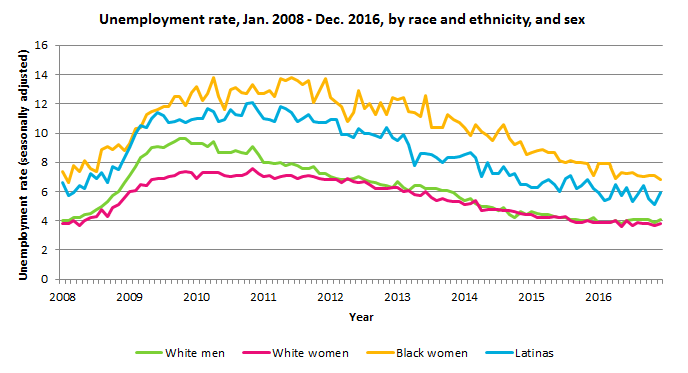
“While the data reflects some important progress for women, that isn’t the full story,” said Emily Martin, chief program officer at the National Women’s Law Center. “For one, these numbers do not reflect the impacts of the Republican-passed tax and budget bill, which are already affecting women’s ability to afford basic family needs. Furthermore, Black women experienced a widening wage gap and saw their uninsurance rates go up compared to last year. These findings, alongside sustained high unemployment rates among Black women, reflect an alarming trend.”
Unlike previous years, the Supplemental Poverty Measure (SPM) data released today does not include demographic data that helps provide a more accurate picture of how poverty is impacting specific populations. The SPM offers a more comprehensive reflection of the resources families use to meet their needs, such as SNAP benefits and various refundable tax credits, making it a more accurate reflection of families’ financial circumstances. The full SPM data is expected to be available Thursday.
In addition to the delayed SPM data, another vital Census Bureau dataset, the American Community Survey (ACS) data—which provides quality state-level and specific demographic data—will not be released on Thursday on its typical schedule and is instead delayed indefinitely. As such, we do not have any state data for poverty, wage gap, and health insurance rates, or national poverty or wage gap figures for Indigenous women and Asian American, Native Hawaiian, and other Pacific Islander women. The data delays are due to a Trump administration order that makes changes to some typical statistical processes used in upcoming public data releases.
“This delay is part of an intentional effort to obscure the information that policy makers, experts, and advocates need to do our work well and ensure that all communities’ needs are met,” Martin said. “Without this data, the experiences of many struggling women, children, and families across the country are hidden from the public.”
Earlier this month, NWLC released a brand-new report that found lower-income households are falling further behind. By 2024, lower-income households were spending 95% of their pre-tax income on basic needs. That figure was calculated before the effects of policies like the OBBBA, meaning that a pre-existing crisis for struggling women and families is only going to worsen because of policy choices by this administration.
###