




The National Women’s Law Center fights for gender justice—in the courts, in public policy, and in our society.

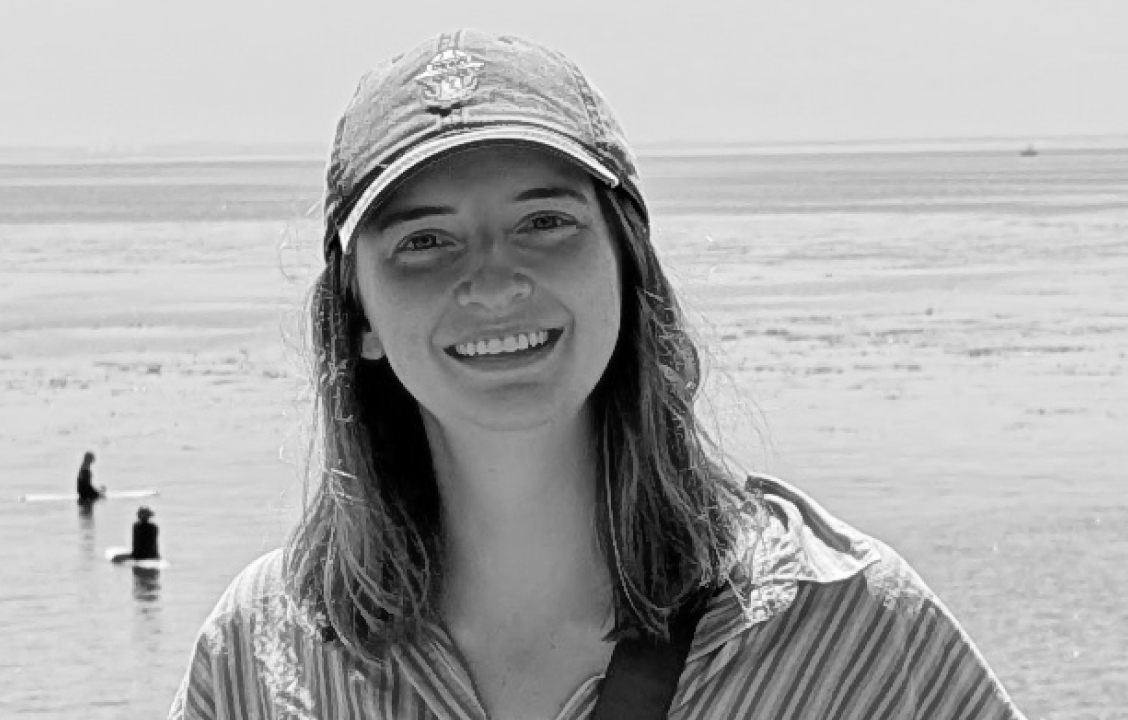
Sam Schultz
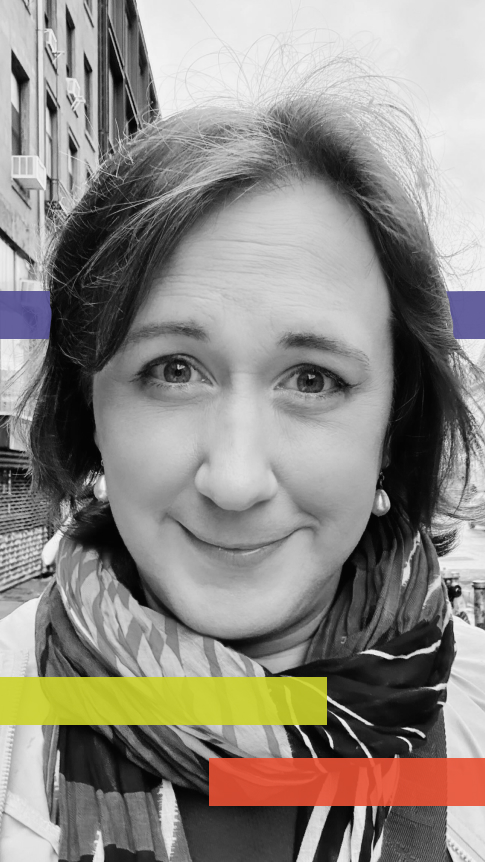
Sam Schultz is a singer in New York City. At the start of their career, Sam was sexually assaulted. Because of Sam’s courage and resilience, the perpetrators were held criminally liable. Sam also bravely spoke out about sexual misconduct being covered up in the opera industry. While the legal system brought Sam some measures of accountability, it has also compounded their trauma. Below, Sam shares more about their path toward healing.
The Necessity of Whistleblowers
What we endure shapes how we respond to future events. I never imagined that I would be sexually assaulted. In the years since, I have continued to learn a great deal about myself and about the systems that claim to protect us.
As a survivor, I understand the necessity of whistleblowing. While serving as a senior board member, I exposed a union’s attempt to suppress the findings of an abuse investigation. The union appeared more concerned with preserving the lauded reputation of the perpetrator than with upholding the dignity of the victims. I had seen similar institutional cover-ups in the media and often wondered whether any decent people served on boards like the one I was on.
Speaking out came at a personal cost. I faced attacks, but ultimately the quid pro quo was exposed, and the cover-up was prevented. To the best of my knowledge, the perpetrator in question, Plácido Domingo, has not worked in the United States since. Even so, the vilification of whistleblowers and survivors of sexual assault remains routine. All too often, we are labeled selfish or vindictive, when in reality we are standing up for what is right, insisting on basic decency—something too many people in positions of power are too cowardly to do.
I live in New York City, where on the subway every day, we hear the phrase “If you see something, say something.” That principle should apply far beyond public safety messaging. Survivors are often told to report assault, yet when they do, they encounter legal systems that are adversarial, dismissive, and deeply unprepared to respond with care. This is not a failure of individual courage; it is a systemic failure.
My trauma was compounded by legal processes and defense tactics that undermine victims’ humanity. This included intimidation tactics, like being tracked and followed, and efforts by the perpetrators to delay the trial for years, meaning I had to keep the details top of mind, rather than doing my best to try to move on. Despite barriers like this that discourage survivors from coming forward and the harms I experienced while navigating the legal system, I have been able to find help to address this through Cognitive Processing Therapy (CPT), which has been the most effective in treating my PTSD. I owe much of my recovery to my therapist, Dr. James Scholl, who helped me challenge trauma-related beliefs within a safe and supportive environment. CPT helped me rebuild my sense of self, reestablish my beliefs, and create a life that is no longer defined by despair.
The refusal to do what is right has consequences. It promotes silence, protects abusers, and leaves survivors to navigate hostile systems alone. It also deepens a sense of despair that can feel inescapable. To resist that despair, I look for spaces where accountability, care, and courage still exist.

I find one such space of light in my volunteer work with SAGE, a national organization that provides supportive services and consumer resources to LGBTQ+ elders and their caregivers. Whether serving meals or hosting karaoke, I’ve grown to care deeply for queer elders who broke barriers and refuse to stay silent and hidden. Their joy, resilience, and refusal to disappear offer a living rebuke to the idea that survival requires silence.

Understanding sexual violence means understanding both the harm itself and the damage inflicted by institutions that refuse accountability. While our systems continue to fail survivors, we must invest in effective therapy and in community building grounded in belief, respect, and action. Believe survivors, defend whistleblowers, and enact systemic change that ends impunity for those who abuse power and their defenders.