





The National Women’s Law Center fights for gender justice—in the courts, in public policy, and in our society.

Jaribu Hill
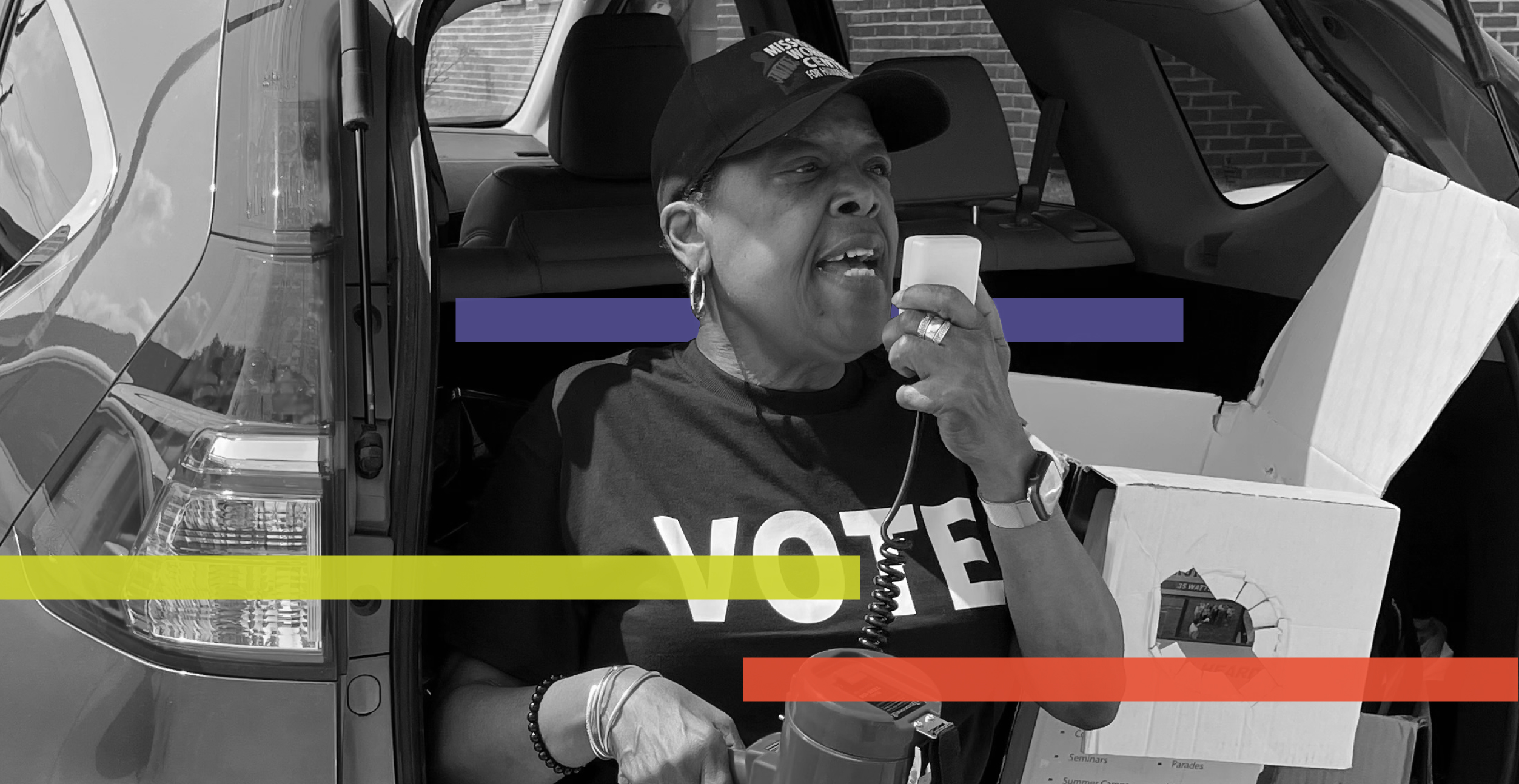
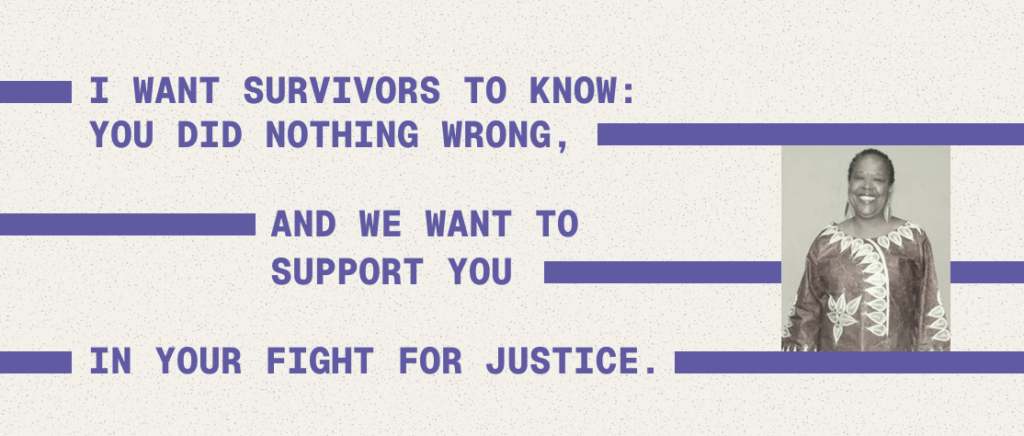
A member of the Legal Network for Gender Equity, Jaribu Hill is an award-winning civil rights and human rights attorney and the founder and Executive Director of the Mississippi Workers’ Center for Human Rights. The Center was established in 1996, and this December marks its 30th anniversary. It was founded to provide legal advocacy and training for low-wage Black workers. Through direct action, public awareness campaigns, legal advocacy, and popular education, it supports workers to create better workplace conditions and ensure that all workers are treated with dignity and respect and have equal access to good jobs and humane living conditions. Jaribu is also an author and acclaimed international speaker.
Supporting Survivors in Mississippi
As a People’s Lawyer, I’m drawn to cases that are filed in support of the most marginalized and the most vulnerable. I first came to the TIME’S UP Legal Defense Fund when I represented a Black woman who was a janitor for a bus company. My client was a victim of daily acts of sexual harassment and physical abuse. I shared her story with the Fund, and they provided resources to help us prosecute her claims—and we claimed a victory.
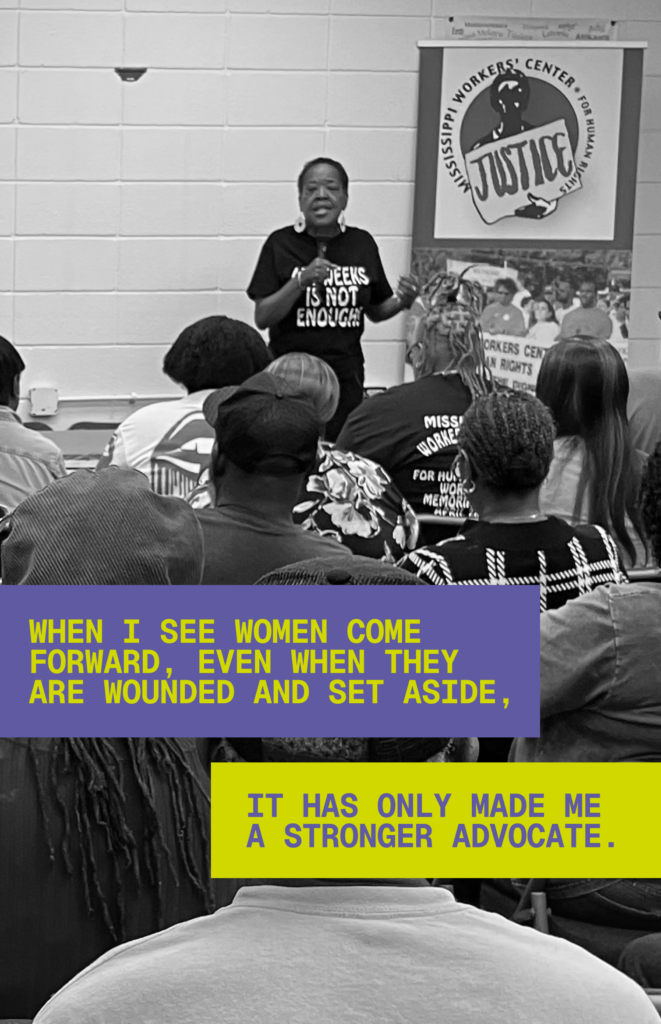
When I see women come forward, even when they are wounded and set aside, it has only made me a stronger advocate. It validates me as a Black woman, and it also reminds me why we need to continue to do this work.
The women I work with, and other survivors, are great examples of the courage we need to make real change. I am inspired by them, and I’m honored to be in spaces where we can lift each other up: conversations with survivors, sharing meals and stories, and joining them in battles from the courtroom to the streets keeps me grounded and excited.
Doing this work, I have learned how to shed privilege and insist upon access for those who are constantly locked out. I am frequently reminded of the challenges people in our local community face: poverty, inequality, race and gender discrimination, 21st century Jim Crow schools, and a lack of resources.
There are very few resources out there that actually provide tools for healing. We try to fill that void the best we can, by providing some limited opportunities for rest and healing—including through round table discussions, worker circles, health fairs, trainings about health and safety, and conferences about knowing your rights.