



The National Women’s Law Center fights for gender justice—in the courts, in public policy, and in our society.
Abortion Rights are Inextricably Tied to Social and Economic Justice Movements
We all deserve the freedom to control our own bodies and our life’s path. But when the Supreme Court overturned Roe v. Wade, it took away this fundamental freedom and about half of states have since banned or severely restricted abortion access.
This is a crisis. Across the country, pregnant people are facing criminalization, serious physical and emotional harm, and even death as a direct result of abortion bans and restrictions. Abortion providers and helpers are being targeted and punished just for supporting pregnant people seeking care.
Restricting abortion access is about who has power over you, who can make decisions for you, and who is going to control how your future turns out. Millions of people across the country are now being denied the ability to make their own decisions and control their own destinies because of abortion bans.
Having the freedom to decide if and when we have kids and how to care for our loved ones is fundamental to living the lives we choose. We need to fight to prevent abortion bans and restore this freedom to ensure that people can get the care they need.
Continued attacks on abortion care are designed to divide us. We must come together across movements to fend off attacks on our fundamental freedoms.
If you would like access to fact sheets, talking points, and other resources connecting abortion with social and economic justice movements, email us at [email protected].
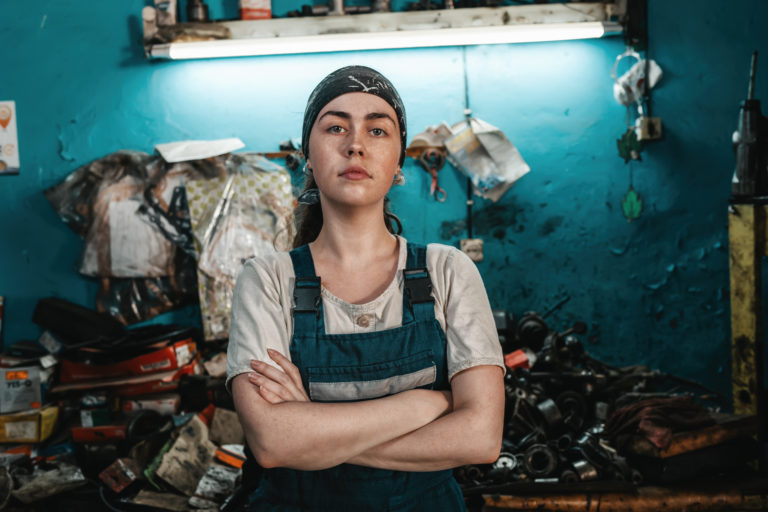
The Fight for Abortion Access is Inextricably Tied to the Fight for Worker Justice
Unions and worker justice organizations fight every day for people’s ability to have autonomy over their lives, including the right to organize, good jobs that include access to healthcare, benefits, increased pay, safe and healthy workplaces, and more. Abortion bans threaten working people because being forced to continue a pregnancy may lead to income or job loss and make it harder to take care of themselves or their families. Union members strongly support abortion access, with three in five union members saying they would be more favorable to their union if it came out in support of abortion access. Unions are uniquely equipped to ensure their members get the health care they need and defend their members from attacks on their freedom, including their reproductive freedom.

The Fight for Abortion Access is Inextricably Tied to the Fight for Economic Justice
Abortion is an economic justice issue. For many people, deciding if or when they will have a child has an enormous impact on their economic security. These decisions affect their financial well-being, job security, and their ability to work and go to school. Not having enough money to care for a child or another child is the most common reason for seeking an abortion. Both being denied an abortion and overcoming the barriers to accessing abortion care, such as traveling long distances to clinics, taking unpaid leave, and paying out-of-pocket expenses for abortion care, transportation, and child care, are costly. Studies show clear links between access to abortion and higher participation in the workforce and economic independence for women.
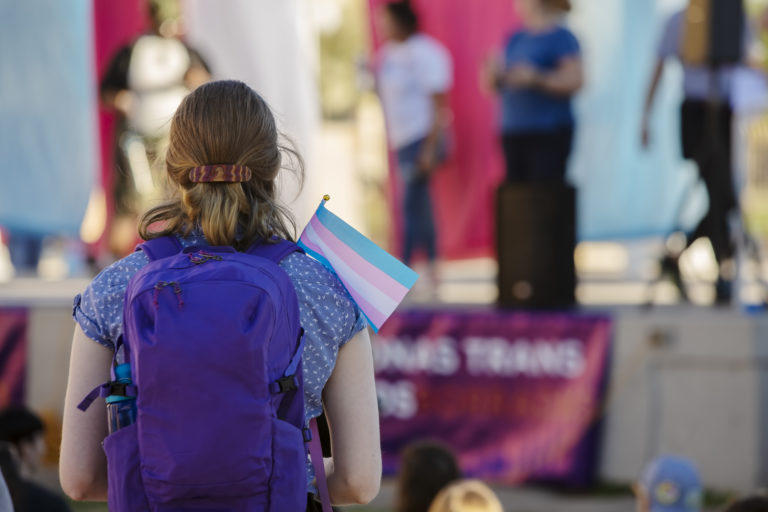
The Fight for Abortion Access is Inextricably Tied to the Fight for LGBTQI+ Rights
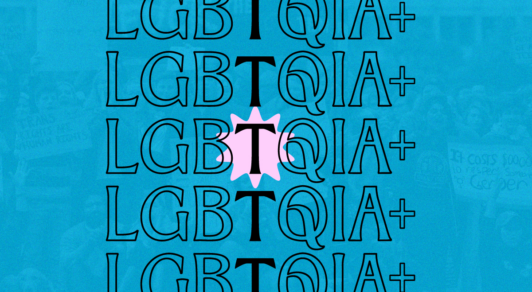
Abortion bans and restrictions disproportionately impact LGBTQI+ communities, who already face compounding health disparities and worse health outcomes, especially when it comes to reproductive and sexual healthcare. Attacks on abortion care and gender-affirming care are attacks on the same basic right to self-determination and bodily autonomy. Policies attempting to prevent people from receiving either form of care ultimately serve to obstruct both and deprive many of the most underserved communities of life-saving care. Opponents of LGBTQI+ equality and abortion rights have long recognized the links between these issues. The same forces have been trying to punish and control women’s and LGBTQI+ people’s bodies and families—often at the same time. We must work together to protect fundamental freedoms for all people and stop the criminalization of our lives and our health care.
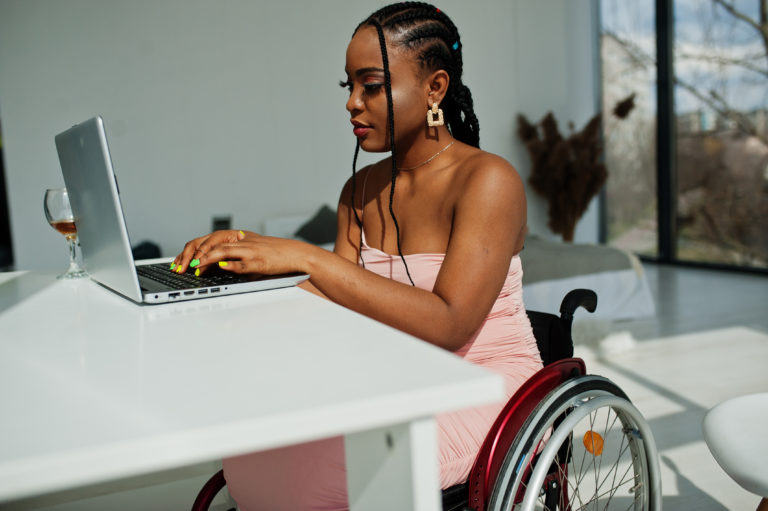
The Fight for Abortion Access is Inextricably Tied to the Fight for Disability Justice
Abortion bans and restrictions disproportionately impact people with disabilities. More than 3 million disabled women of reproductive age live in one of the 26 states that have banned or are likely to ban abortion, accounting for more than half of all disabled women in the United States. People with disabilities already faced unique barriers to abortion care and the United States has a long history of control and coercion over the bodily autonomy and reproductive decisions of people with disabilities, which continues today. Both the reproductive justice and disability justice movements are grounded in the legal and ethical principles of bodily autonomy and self-determination. These are the very principles that abortion bans and restrictions seriously undermine.
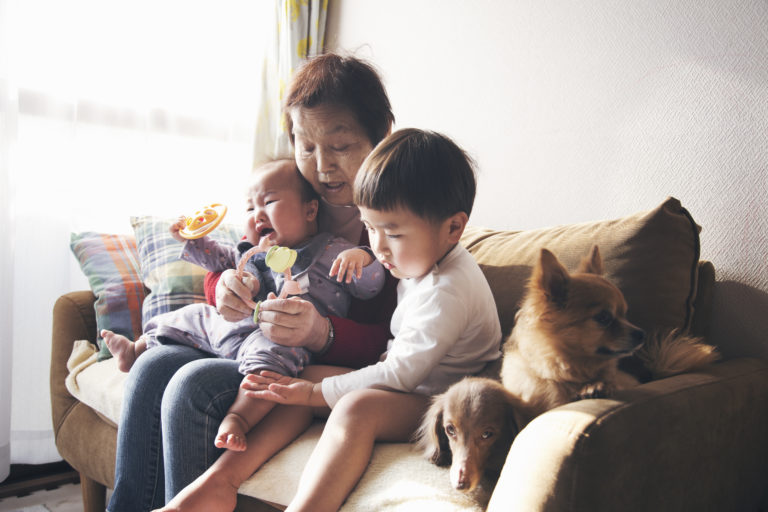
The Fight for Abortion Access is Inextricably Tied to the Fight for Child Care Access
Child care and abortion access are both foundational to parenting with dignity. Access to abortion and access to affordable, high-quality child care are central to an individual’s and family’s autonomy and economic security, with implications for a parent’s or caregiver’s health, financial well-being, job security, workforce participation, family relationships, and educational attainment. Since the Supreme Court overturned Roe v. Wade, people seeking abortion care are increasingly forced to travel for care, which often involves paying for lodging, transportation, and child care, sometimes for several days. Approximately 60 percent of women seeking abortions already have one child. We must come together to build a world where both abortion care and child care are available when we need it, without barriers based on who we are, where we are from, or how much we earn.
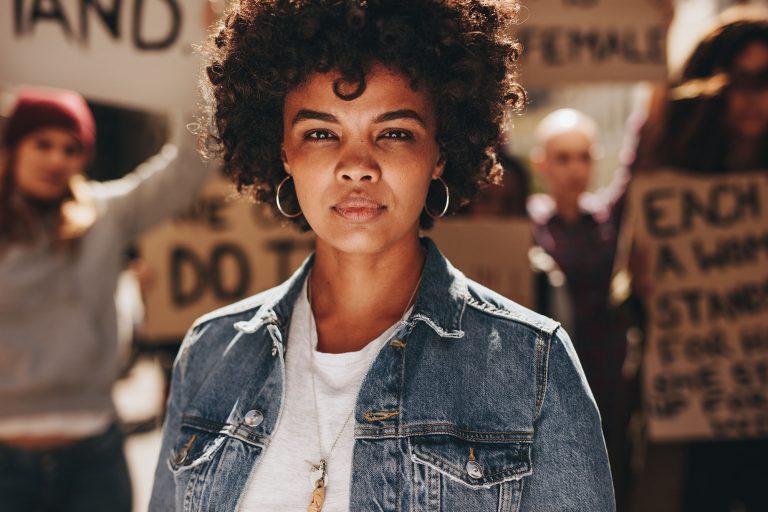
The Fight for Abortion Access is Inextricably Tied to the Fight for Racial Justice
Taking away people’s control over their bodies and reproductive lives is part of a purposeful racist strategy to reestablish antiquated notions of who has power and control in this country. Abortion bans and restrictions fall hardest on Black, Indigenous, and other people of color, especially those working to make ends meet. Black and Indigenous women are more likely than other groups to live in states with abortion bans and restrictions. These states are also more likely to have restrictive voting laws and less likely to have pathways for residents to vote directly on enshrining reproductive freedom in their state constitution. Abortion bans and restrictions worsen health, economic, and social outcomes, while abortion access has improved the lives of women of color, and especially Black women. Communities of color overwhelmingly support access to abortion care, and support trusting pregnant people and their families with these personal decisions.

The Fight for Abortion Access is Inextricably Tied to the Fight for Housing Justice
People deserve access to abortion, without the fear of losing their housing or going into debt. But for people who want to end their pregnancies, housing insecurity might mean the difference between paying for an abortion and paying for rent. Being denied an abortion can exacerbate housing insecurity and the people most harmed by abortion bans and restrictions also face higher housing insecurity. Where someone lives also has a great impact on their access (or lack thereof) to abortion care. People have more control over their economic security when they can make their own decisions about their bodies and what’s best for their families. Abortion access and housing security work in tandem to support people’s self-determination and control over their futures.