
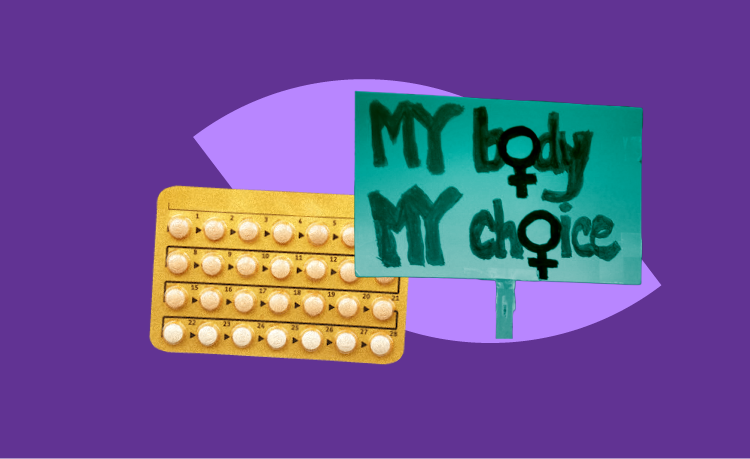






The National Women’s Law Center fights for gender justice—in the courts, in public policy, and in our society.
My IUD Story: Why Birth Control is for Trans People, Too
Authors

My IUD Story: Why Birth Control is for Trans People, Too
As a trans man, contraception has never just been about preventing pregnancy (although who doesn’t love being able to make their own decisions about if and when they get pregnant?!). It has also helped alleviate gender dysphoria, improved my acne, and managed endometriosis symptoms like heavy bleeding and painful periods.
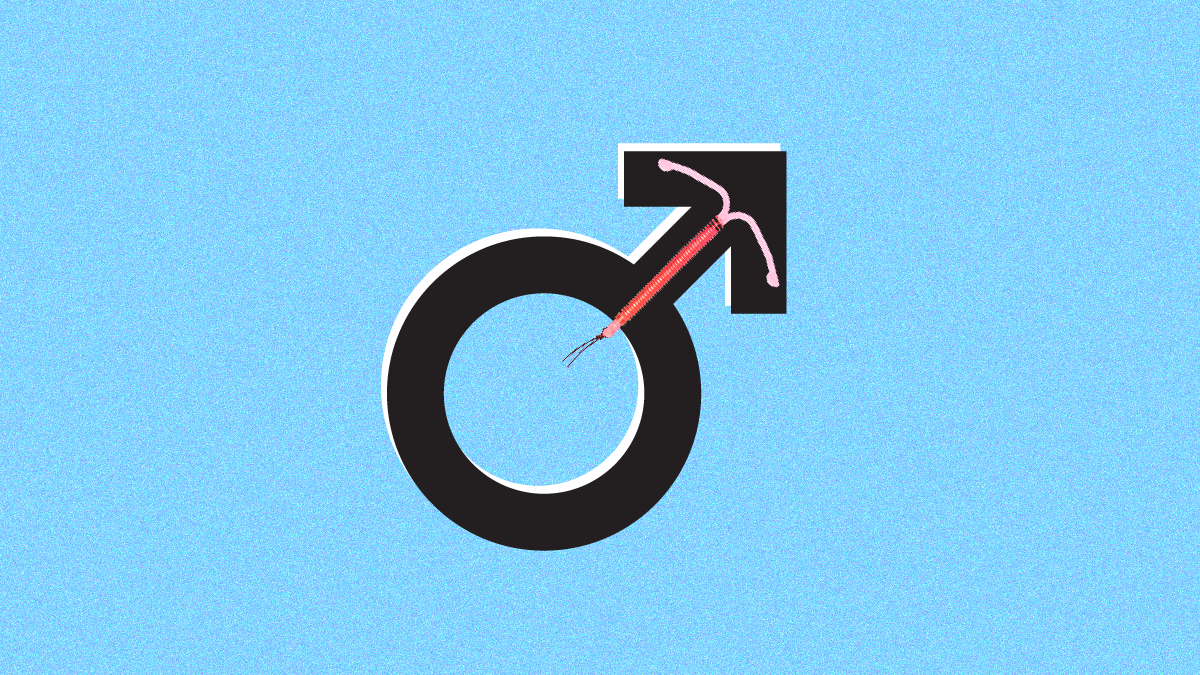
The wide range of contraceptive options also means that I’ve been able to use different methods at different periods in my life, tailored to my particular life circumstances and desires. After years on the pill, I recently decided to switch to an IUD.
Like many people who get IUDs, I was a bit nervous. A lot of people talk about how painful IUD insertion can be, and far too often patients are not offered adequate pain management (women are much less likely to be prescribed pain medication than men are, and Black people are far less likely to be prescribed them than white people). And, accessing sexual and reproductive health care as a trans person often comes with its own barriers and anxieties.
Before my appointment, I sought advice from friends who had undergone the insertion themselves. I was flooded with responses: advice about how to advocate for myself, suggestions to prep self-care afterward (including my favorite sweet treat), and tons of kind offers to accompany me to the appointment.
But what struck me the most was how many people expressed appreciation that I was speaking publicly about my experience. One friend pointed out how important it was to talk openly about care that is so often framed as “women’s health care,” even though not everyone who needs it is a cisgender woman. And many acknowledged that receiving reproductive care as a trans person can be extremely fraught—shaped by fear of discrimination or mistreatment and by providers who lack LGBTQIA+ competency. They expressed hope that my experience would be painless (physically and emotionally!) and that my provider would be supportive and affirming of my gender.
This is why I’m sharing my experience. Reproductive health care is for everyone. That includes trans people, nonbinary people, gender-nonconforming people, and anyone else who wants or needs contraception, abortion care, or other forms of reproductive health care at various stages in their lives. Tailoring reproductive health care to one subset of people—often assumed to be a white straight, cisgender woman—does real harm.
And worryingly, this care is under attack. In the years since the Supreme Court overturned Roe v. Wade, anti-reproductive health policymakers have escalated attacks on contraception at both the federal and state level, alongside rampant misinformation and anti-science rhetoric. There has also been growing online backlash against birth control, especially with the rise of the Trump administration’s “Make America Healthy Again” (“MAHA”) rhetoric, influencer “tradwives,” and harmful pronatalist narratives and policies. These attacks threaten whether people can get the care they need, when they need it, and on their own terms. And the same individuals and groups undermining our access to contraception are also attacking trans people’s right to exist. That’s why, as a trans man, it felt especially important to me to speak out about my IUD experience.
I’m happy to report that my appointment went well. I’m extremely grateful that I had a provider who offered a wide range of pain management options and was deeply knowledgeable about trans health care. I’m also grateful for the Affordable Care Act’s birth control coverage requirement that made this care affordable, my supportive community, and the brownie sundae that awaited me afterward.
And while it shouldn’t be this way, I know that positive experiences like mine are more often the exception rather than the rule. That is why we must continue fighting for reproductive health care, including contraception, and to ensure that all people have the freedom to access the method that works best for them—and with care that affirms who they are.