






The National Women’s Law Center fights for gender justice—in the courts, in public policy, and in our society.
Child Care Problems Disproportionately Impacted Black Women, Latinas, Disabled Women, and Those with Lower Household Incomes in 2024
Child Care Problems Disproportionately Impacted Black Women, Latinas, Disabled Women, and Those with Lower Household Incomes in 2024
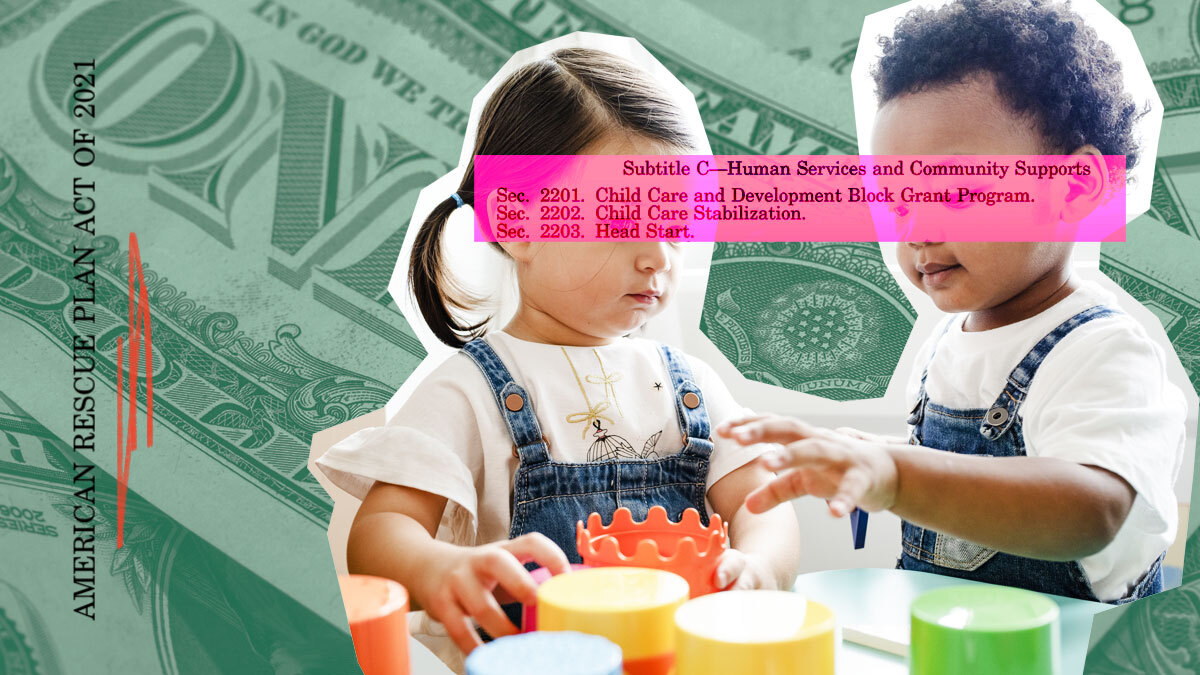
Child care enables parents with young children, especially mothers, to join or remain in the paid labor force, enhancing the well-being of families and communities. Yet, due to chronic underfunding, child care in the United States has long been hard to access and prohibitively expensive for families. During the pandemic, Congress made the largest federal investment in child care since World War II, primarily through the American Rescue Plan Act (ARPA), which was signed into law in March 2021. ARPA included $24 billion in child care stabilization grants, which expired in September 2023, as well as $15 billion in supplemental funding for the existing Child Care and Development Block Grant (CCDBG) program, which expired in September 2024.
Parents and families experienced some impacts shortly after the $24 billion child care stabilization grants expired in late 2023 in terms of higher tuition and less access to affordable care. Families of color were disproportionately impacted by increases in child care costs, with Black families and Latinx families reporting tuition increases at higher rates than white families. Other potential negative effects will be felt over a longer period of time. Black women’s employment levels, for example, have been trending downward since early 2024 and well into 2025.
This fact sheet provides a snapshot of disparities by gender, race and ethnicity, disability status, and household incomes in accessing child care and how the lack of access to child care impacted paid work in 2024.