




The National Women’s Law Center fights for gender justice—in the courts, in public policy, and in our society.
Dismantling Rights: Voting and Gender on the Docket

Dismantling Rights: Voting and Gender on the Docket
The Supreme Court’s 2025-2026 term concluded earlier this summer, continuing the Court’s hard-right trajectory. This slide has sweeping implications for gender justice—and, in turn, the stability of our democracy.
From weakening the Voting Rights Act to allowing states to ban trans women and girls from school sports, the Court repeatedly narrowed civil rights protections while expanding the space for discrimination.
This connection is not trivial: Women, particularly Black women and other women of color, have been at the forefront of virtually all major civil rights advancement in America. Their political and economic power—and the broader freedoms secured through gender justice—pose direct threats to authoritarian forces that rely on misogyny, white supremacy, and exclusion to consolidate power and silence opposition. Rather than serving as a constitutional check on those forces, this Court too often enables wealthy special interests and extremist leaders at the expense of the people.
Recognizing the harms of the Court’s decisions is crucial, but so is recognizing that those decisions are not the final word. History has shown that harmful precedents can be challenged, institutions can be reformed, and rights can be restored.
Two of the Court’s most consequential decisions this term illustrate both the urgency of that work and the stakes involved. In each, the Court dramatically expanded the space for discrimination—first at the ballot box and then in our nation’s schools.
Louisiana v. Callais
In Callais, the Court gutted a key enforcement provision of Section 2 of the Voting Right Act, making it harder to challenge discriminatory voting maps and practices that disproportionately burden Black voters and other voters of color.
The impact was felt immediately. Louisiana and Tennessee eliminated their only Black-majority congressional districts. Alabama revived a previously rejected discriminatory map, while Florida kept in place one being challenged in state court. Other states are poised to further damage fair and equal representation in future election cycles.
The Voting Rights Act has particular importance for Black women’s political power, which expanded after the law’s passage and significantly shaped some of the country’s largest advances for racial and gender equality. Callais threatens to erode that progress.
Little v. Hecox and West Virginia v. B. P. J.
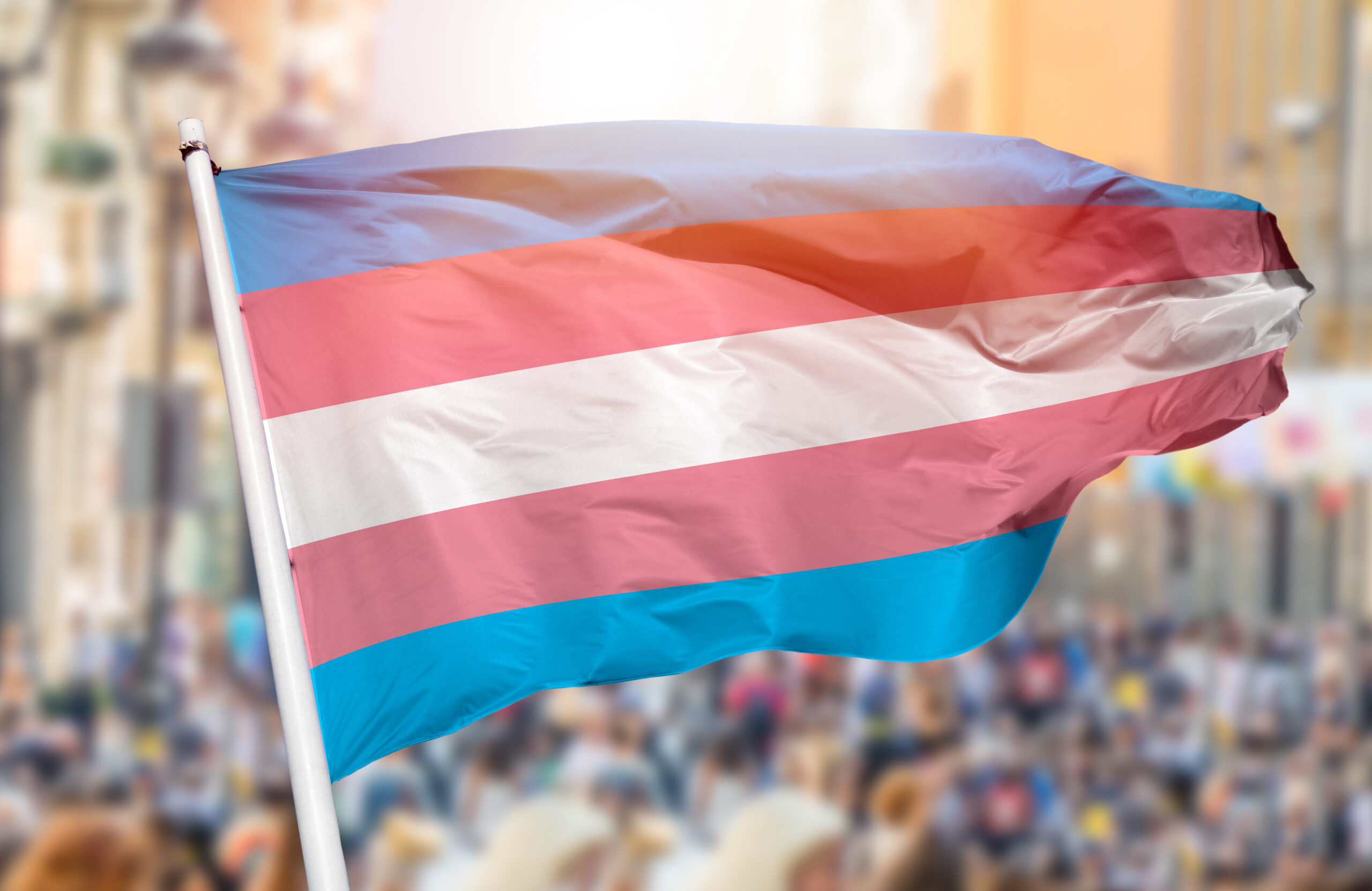
In a single opinion, the Court held that states may ban trans women and girls from playing on women and girls school sports teams, concluding that such bans violate neither their constitutional rights under the 14th Amendment nor nondiscrimination protections under Title IX.
This decision is a significant setback for trans rights, but its implications extend beyond trans athletes. By embracing arguments rooted in stereotypes, the Court reinforces outdated ideas that girls and women are inferior and weaker physically than their male counterparts while also opening the door to invasive body “checks” of all women.
It is important to note that the Court did not require states to adopt these bans, meaning schools and states with inclusive policies and laws remain free to keep those protections in place.
These decisions create significant new barriers to equal participation in civic and public life, yet this term also provided an example of how states can respond to harmful Supreme Court rulings.
Chiles v. Salazar
In Chiles, the Court ruled that portions of Colorado’s ban on conversation therapy for young people interfered with the First Amendment free speech rights of licensed therapists engaged in talk therapy. Conversion therapy, which claims to change a person’s sexual orientation or gender identity, is widely discredited by medical experts as ineffective, unethical and harmful, with severe implications for the patient’s health and even life.
Colorado responded quickly to the ruling by passing a new law. Taking the Court’s language into account, it put in place new, heightened protections for survivors of conversion therapy to bring medical malpractice claims.
These cases, as important as they are on their own, reflect a broader pattern: throughout the term, the Court repeatedly cleared the way for the Trump administration to advance its far-right agenda, often without transparency or explanation.
Some major decisions—including Trump v. Slaughter, which significantly weakened the independence of federal agencies
—were issued with lengthy opinions and dissents. But the Court increasingly acted through its shadow docket, where consequential emergency orders are issued without full briefing, explanation, or even visibility into how the justices voted.
The result is not only a rollback of rights and checks and balances but growing uncertainty about what the law requires. Lower courts, government officials, and the public are left with little guidance sowing significant confusion and potential violations of rights.
The stakes are real, and the harms of this Court’s decisions are being felt throughout the country. But so too is the growing movement of those committed to protecting and advancing the rights of all people. Throughout history, people have challenged harmful rulings, changed unjust laws, and expanded the promise of equality. That work remains essential today.